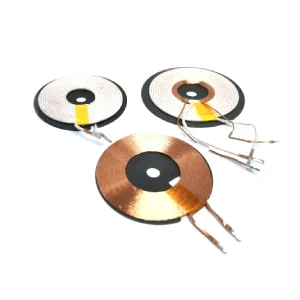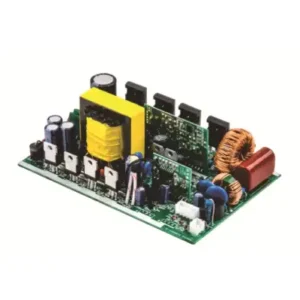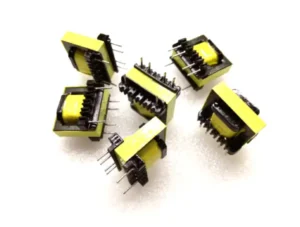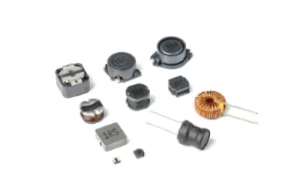

Power inductors are essential core components in modern electronic devices. However, in actual applications, many people will encounter various problems that may affect circuit performance or even cause equipment failure. Today, we will delve into these issues and their solutions to help you optimize your designs and applications. Let’s discuss common power inductor problems and their corresponding solutions.
(★ If you want to know more information, you can refer to the following article: •SMD Inductors in Modern Electronics)

Problem 1: Severe Power Inductor Overheating
Overheating a power inductor is a problem faced by many engineers, typically due to excessive DC resistance (DCR) or excessive operating current. To address this issue, there are two main approaches:
1. Selecting a low DCR inductor: A low DCR inductor is preferred to reduce power dissipation due to resistance.
2. Optimizing circuit design: Ensure that the operating current in the circuit is within the inductor’s rated range to avoid overloading.
Problem 2: Inductor Noise Interference
In electronic devices, noise interference can seriously affect system stability. Noise interference in power inductors primarily stems from poor electromagnetic shielding design or eddy current effects caused by high-frequency operation.
Solution:
– Select a power inductor with good shielding performance, such as a ferrite-shielded inductor.
– Optimize the PCB layout to minimize interference from high-frequency signals on the inductor.
Problem 3: Inductor Saturation Leads to Failure
When the current exceeds the saturation current (Isat) of a power inductor, the inductor’s efficiency is significantly reduced, preventing proper energy storage and potentially causing power supply system failure.
Solution:
– Select an inductor with a higher saturation current, ensuring its rated current exceeds the actual operating current.
– Use multiple inductors in parallel to share the current load.
Problem 4: Improper Inductor Selection
Inductor selection is one of the most critical steps in the design process. Incorrect selection can lead to poor performance or even functional failure of the entire circuit.
Solution:
– Clarify the circuit’s specific requirements for inductance, current, and frequency, and select the optimal model based on actual needs.
– Use simulation tools to verify the compatibility of inductor parameters to avoid blind selection.
In short, while power inductor issues may seem complex, they can be effectively addressed by fundamentally understanding their operating principles and following the correct design specifications and selection methods. If you have further questions about power inductors, please leave a comment in the comments section and we’ll be happy to answer them! Don’t forget to share this article with friends who need it so that more people can benefit!
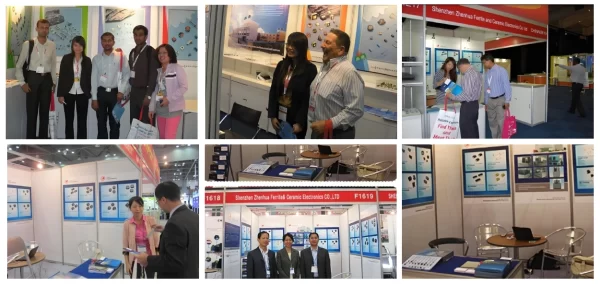
Advantages of Zhenhua Inductors
Zhenhua products include multilayer power inductors, wirewound surface mount inductors and molded surface mount inductors for power and signal lines. We offer a full range of passive electronic and magnetic components, including inductors, capacitors, resistors, transformers and filters. Our products are widely used in automotive, telecommunications, consumer electronics and other fields. Each product is carefully designed to achieve performance improvement and maximize signal and power efficiency while saving space.
Other Advantages Include:
Fully automated manufacturing
High reliability AEC-Q200
ISO 9001 quality standards
RoHS compliant
REACH compliant
🌐 Take action now! Visit Zhenhua’s official website to explore more product specifications and application cases, and you will find that choosing Zhenhua is an investment you will never regret. Zhenhua will help you succeed!
📱 WhatsApp: +86 158 1748 9501
📧 Email: info@smdinductor.com
🔗 Website: www.smdinductor.com