In modern electronic product design, high-frequency transformers are widely used in switching power supplies due to their advantages such as high efficiency, high precision, and small size. However, selecting the right high-frequency transformer remains a significant challenge for many purchasing professionals and engineers. This article will reveal the key considerations for selecting high-frequency transformers and provide some practical tips to help you find the optimal choice.
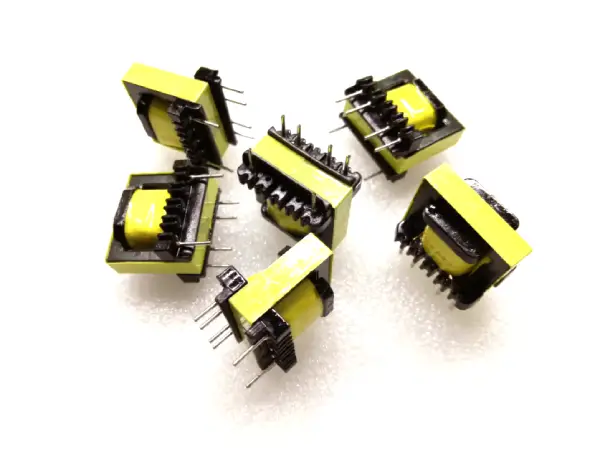
Why is the High-Frequency Transformer a Core Component of a Switching Power Supply?
The high-frequency transformer is central to the power conversion process of a switching power supply. Its main functions include voltage boost/pull-up, isolation protection, and electromagnetic filtering. It directly determines the switching power supply’s conversion efficiency, operational stability, and lifespan. Therefore, selecting a high-quality high-frequency transformer is a powerful guarantee for improving the overall performance of the power supply system.
High-frequency transformers are core components in switching power supplies, mainly used for voltage conversion, current suppression, and electromagnetic interference isolation. Their high-frequency characteristics significantly improve power supply efficiency and reduce size.
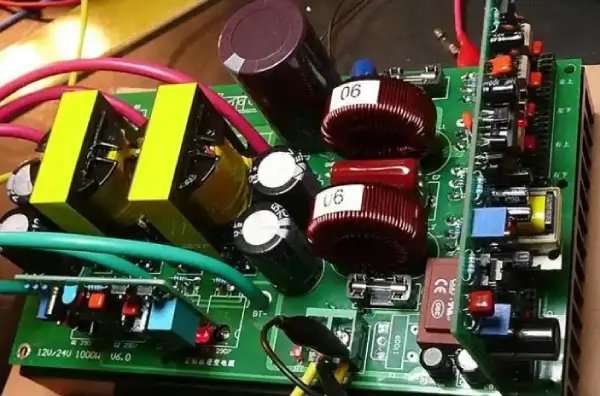
The core functions of a high-frequency transformer:
Voltage Conversion: Achieves efficient conversion between input and output voltages through electromagnetic induction, supporting a wide range of input voltage regulation.
Current Suppression: Reduces output current ripple, improving power supply stability.
Electromagnetic Interference Isolation: High-frequency operating characteristics reduce electromagnetic interference (EMI), enhancing system reliability.
Advantages of High-Frequency Transformer Technology:
Small Size: High-frequency operation (typically greater than 10kHz) reduces the size of the transformer to more than one-thousandth that of a traditional power frequency transformer. For example, a gallium nitride charger can achieve 65W power in a size comparable to a lipstick.
High Efficiency: Switching power supplies can achieve efficiencies of over 90%, far exceeding the 80% full-load efficiency of traditional transformers, thus reducing energy consumption.
Safety: Through magnetic flux density control and air gap design, core saturation is prevented, protecting the load and personnel safety.
Applications of high-frequency transformers in switching power supplies:
Consumer electronics: Miniaturized devices such as mobile phone chargers and laptop chargers.
Industrial equipment: High-voltage power modules used in inverter welding machines and medical equipment.
New energy sector: Solar inverters, electric vehicle charging stations, etc.
Key Design Considerations for High-Frequency Transformers
Frequency Selection: The operating frequency must strike a balance between efficiency and electromagnetic interference; a common range is 100kHz to 1 MHz.
Materials and Manufacturing Processes: Soft magnetic materials (such as ferrite) and multi-layer shielding technology should be used, and the magnetic circuit design should be optimized.
Safety Requirements: Details such as the location of retaining tape and bushings must comply with safety standards to prevent insulation failure.
The Importance of High-Frequency Transformers
The primary function of high-frequency transformers in switching power supplies is to achieve power conversion across different voltage and frequency ranges while ensuring electrical isolation. Different applications place varying performance requirements on high-frequency transformers. From industrial control equipment to consumer electronics, the power, frequency, size, and cost requirements of the high-frequency transformers used differ. Therefore, when selecting a transformer, its suitability and reliability must be carefully weighed.
High-frequency transformers play a crucial role in switching power supplies, responsible for both energy transfer and circuit isolation. They not only achieve efficient energy transfer at high frequencies but also regulate the output voltage by changing the turns ratio. Therefore, selecting a high-quality high-frequency transformer directly determines the overall performance of the product.
High-Frequency Transformer Selection Guide
1. Power Requirements: When selecting a high-frequency transformer, the first step is to determine the output power of the switching power supply. Insufficient power may cause the transformer to overheat or even be damaged, while excessive power will increase costs. For example, small household appliances typically consume less than 30W, while industrial equipment may require hundreds of watts. Selecting an underpowered transformer will lead to overheating or even damage.
2. Operating Frequency: The design frequency of a high-frequency transformer determines its efficiency and performance matching. Typically, switching power supplies operate in the range of 50kHz to 500kHz. Ensuring that the transformer’s frequency matches the design frequency is crucial.
3. Material Quality: High-quality magnetic materials are fundamental to the performance of high-frequency transformers. Selecting ferrite materials with high permeability can effectively reduce losses and improve conversion efficiency. Simultaneously, the insulation and temperature resistance of the conductors must meet design specifications. High-frequency transformers typically operate in the tens of kilohertz or higher frequency range; therefore, special attention should be paid to the transformer core material (e.g., ferrite or iron-silicon alloy) during the procurement process. Suitable materials can effectively reduce energy loss and improve efficiency.
4. Heat Dissipation, Withstand Voltage, and Insulation Performance: High-frequency transformers generate heat during operation. Good heat dissipation design and high-temperature resistant materials will significantly improve the transformer’s stability and service life. Safety performance is a key consideration when purchasing. Check whether the transformer’s withstand voltage rating meets the operating voltage requirements and ensure it has sufficient insulation strength to avoid the risk of leakage or short circuit.
Common Selection Misconceptions and Considerations
Many engineers focus solely on power requirements during the selection process, neglecting the transformer’s operating environment and long-term reliability. For example, in high-temperature and high-humidity industrial environments, transformers with special coatings or encapsulations are required to extend their service life. On the other hand, excessive pursuit of miniaturization at the expense of heat dissipation should be avoided, as this can lead to frequent equipment failures during operation.
Creating High-Quality Products Begins with Selecting the Right Transformer.
In switching power supply design, high-frequency transformers are a core driver of improved equipment performance. Careful selection and proper use of transformers not only enhance product performance but also improve the user experience.
Selecting a high-frequency transformer requires comprehensive consideration of multiple factors, as details in each aspect significantly impact the reliability and efficiency of the entire system. When selecting a high-frequency transformer, it is recommended to conduct a thorough evaluation of power, frequency, size, and heat dissipation to avoid common pitfalls. For more product information or technical support for specific applications, please contact Zxcompo: sales@ZXcompo.com.
Correctly selecting a high-frequency transformer is crucial not only for ensuring the performance of the switching power supply but also for the efficient operation of the equipment. We hope this article helps you avoid common pitfalls in the selection process and obtain the best solution.