Among the core components of electronic devices, power inductors and transformers are often confused. They both play a vital role in power transmission and conversion, but their functions, designs, and application scenarios differ significantly. So, what exactly is the difference between them, and when is the best time to choose one? This article will demystify the mystery.
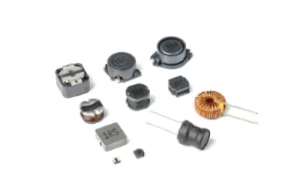
Power inductors are primarily used for energy storage and filtering. In DC-DC converters, they store magnetic energy to ensure stable circuit operation. A typical example is their use in switching power supplies to reduce interference caused by current pulses. Transformers, on the other hand, primarily perform voltage conversion and isolation. In AC circuits, transformers use electromagnetic induction to step up or down voltage while also providing electrical isolation, which is crucial for protecting equipment and users.

The Main Difference Between Power Inductors and Transformers
Power inductors and transformers are two essential components in modern electronic devices. While they often appear together in circuits, their functions and applications differ significantly. Want to know the difference? The following information will help you quickly distinguish between the two.
(★ If you want to know more information, you can refer to the following article: •SMD Inductors in Modern Electronics)
Basic Definitions of Power Inductors and Transformers
Power inductors are energy storage components primarily used to store and release electrical energy in a circuit. They operate based on the principle of electromagnetic induction, reducing and smoothing current fluctuations. They are commonly used in applications such as power management and voltage conversion. Transformers, on the other hand, are energy transmission devices primarily used to transfer electrical energy and step up or down voltage. They consist of two or more electromagnetically coupled coils, using electromagnetic induction to convert voltage or current between a primary and secondary coil.
Core Differences
1. Functional Purpose: Power inductors are primarily used for energy storage and filtering, thereby ensuring circuit stability; the core function of transformers is to transfer energy and convert between different voltage levels.
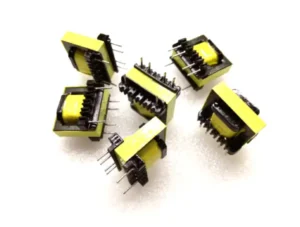
2. Structural Design: Power inductors typically have a single winding and operate primarily through inductance (i.e., reactance); transformers, on the other hand, have at least two windings and achieve energy transfer through magnetic coupling.
3. Operating Principle: Power inductors use current changes to generate a magnetic field to suppress ripple and current fluctuations; transformers transfer electrical energy from one winding to another through electromagnetic induction, often accompanied by voltage conversion.
So, how do you choose the right component? If your application requires energy storage and stabilization, a power inductor is the best choice. For example, when processing high-frequency signals, power inductors can maintain high efficiency at extremely low power consumption. On the other hand, if your needs focus on voltage regulation or isolation between devices, a transformer is essential. For example, external power adapters in home appliances often rely on transformers to convert high voltage to a safe low voltage.
Power inductors and transformers also differ in their physical design. Power inductors typically use a closed-core design to reduce magnetic field losses, while transformers usually employ an open-core design to promote heat dissipation and improve energy conversion efficiency. Regarding cost, power inductors are generally more affordable, whereas transformers tend to be more expensive because of their complex winding structure.

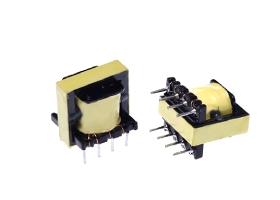
Analysis of Power Inductors and Transformers: Application Scenarios
Power inductors and transformers are essential components for electronics engineers. However, choosing between them can be challenging in some situations. While they may appear to function similarly, they have key differences in their intended applications. Understanding these differences can help you design more efficient circuits while also effectively controlling costs and improving performance. So, how do you correctly distinguish their application scenarios?
Applicable Scenarios of Power Inductors
Power inductors are essentially used for energy storage and filtering. Their primary function is to temporarily store electrical energy through a magnetic field and generate a stable DC output. In other words, they are widely used in DC-DC converters, power management modules, and energy storage circuits. For example, in switching power supplies for mobile devices, power inductors are essential components to ensure smooth current flow.
In addition, power inductors excel in high-frequency operating environments. For example, their high efficiency and low losses make them a top choice for engineers designing modern high-frequency switching circuits.
Applicable Scenarios of Transformers
Unlike power inductors, transformers primarily provide voltage conversion and isolation. Transformers are particularly important in applications requiring different voltage levels or electrical isolation, such as communications equipment, power electronics, and industrial control devices. For example, in grid-powered equipment, transformers ensure safe operation by converting voltage and providing isolation.
Transformers are particularly advantageous in low-frequency, high-power applications, such as industrial equipment and electric vehicle charging stations. Their unique coil winding design enables them to handle higher power transmission.
How to Choose the Right Component?
When designing a circuit, choosing the right component depends entirely on your specific needs. If your goal is to store energy or smooth current fluctuations, a power inductor is undoubtedly the best choice. If you need voltage conversion or isolation, a transformer is your first choice.
In summary, power inductors and transformers each have their advantages and disadvantages, and the key to choosing one lies in a clear understanding of your application requirements. In the future development of electronic technology, both components will continue to play a vital role, contributing to improved performance and efficiency. If you are interested in the applications and future trends of these electronic components, please share your thoughts in the comments section and we will answer your questions!
Visit Zhenhua’s official website for more product specifications and application examples. You will find that choosing Zhenhua is an investment you will never regret. Zhenhua will help you succeed!