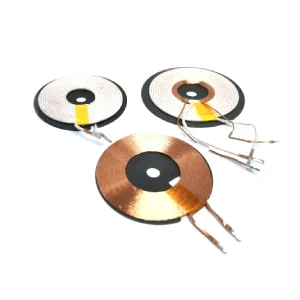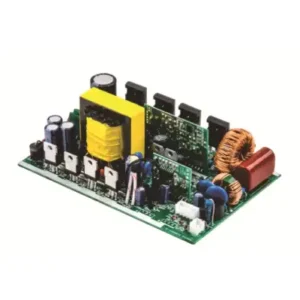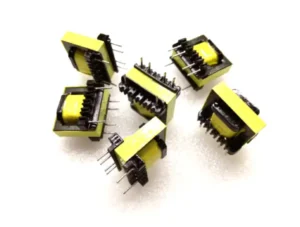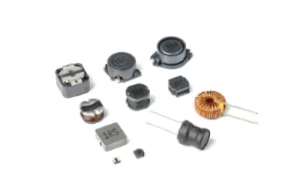
In today’s electronic devices, SMD shielded inductors are small and critical components that cannot be ignored. But have you ever wondered what makes them so important in suppressing noise? Today, we will take a deep look at the unique value of this inductor and how it ensures more stable operation of electronic devices. (★ If you want to know more information, you can refer to the following article: •Why Choose SMD Magnetic Power Inductors?)
With the rapid development of electronic technology, devices are gradually moving towards miniaturization and high performance. In this context, SMD shielded inductors have become a core component to enhance device performance. Despite its small size, it plays a vital role in maintaining smooth device performance and reducing noise interference. So why are these components so necessary for noise suppression and performance assurance? Next, we will analyze this in detail.
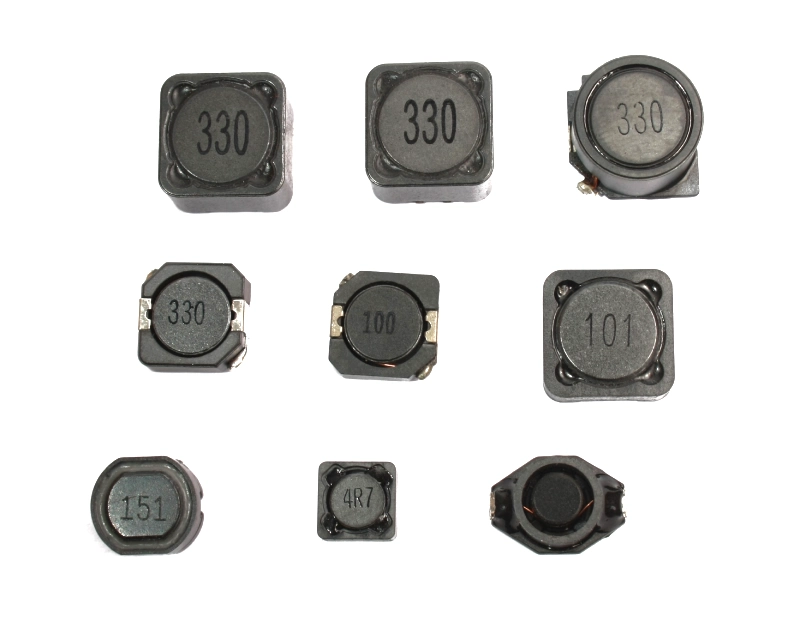
Why are electronic devices affected by noise?
Whether it is a smartphone, tablet, or IoT application, these devices operate in an environment filled with electromagnetic interference (EMI). Whether originating from nearby devices or internal components, EMI can compromise signal integrity, impair performance, and even lead to complete system failure. SMD shielded inductors are designed to solve this challenge, and their compact and efficient features make them an ideal choice for combating EMI.
Unique advantages of SMD shielded inductors
This inductor effectively suppresses and isolates electromagnetic noise through magnetic shielding technology. Its unique design ensures a smooth flow of current and reduces electromagnetic interference leakage to surrounding devices. Additionally, its excellent space utilization performance makes it the ideal solution for compact design requirements.
In the fields of power management, communication systems and audio equipment, SMD shielded inductors are widely sought after for their excellent stability. For example, in audio equipment, it can significantly reduce background noise and provide users with clearer sound quality. Even in complex and changing application environments, these inductors can ensure the reliability and efficiency of equipment operation.
In addition, shielded inductors can stabilize current and voltage. Whether it is a smartphone, a microcontroller chip, or a home appliance, the stability of voltage and current is crucial. Imagine if your wireless headphones frequently drop out due to electromagnetic interference, or the control chip of your home device is unstable. How frustrating it would be.
SMD shielded inductors play an important role in reducing noise. Their main function is to effectively suppress electromagnetic interference (EMI) and significantly improve signal stability, especially in high-frequency circuits.
Electromagnetic shielding reduces interference
Through the external shielding structure, SMD shielded inductors can limit their magnetic field to the inside, thereby reducing electromagnetic radiation to surrounding circuits. Such a shielding effect can significantly reduce noise coupling in high-frequency environments. For example, in fields such as radio frequency communications and power management, shielded inductors can effectively reduce the interference of noise on signals.
Enhance anti-interference performance
The shielding layer can prevent external electromagnetic interference from invading the inside of the inductor, thereby ensuring that it can still operate stably in complex electromagnetic environments. For example, in automotive electronics or industrial equipment, the electromagnetic noise generated by components such as engines will be isolated by the shielding layer to ensure the reliability and normal operation of electronic control systems.
Meet high-frequency signal requirements
SMD inductors usually use materials such as ferrites, which can show higher impedance characteristics at high frequencies, thereby suppressing noise in a targeted manner. For example, in the processing of high-speed digital circuits or radio frequency signals, high-frequency filtering performance can effectively improve the transmission quality of the signal.
Why choose SMD shielded inductors?
Compared with traditional inductors, SMD shielded inductors have higher reliability, smaller size and better anti-interference performance.
These characteristics make them an indispensable component in modern electronic design. If you are an electronic designer, choosing SMD shielded inductors is not just a choice, but a necessary design decision. Higher durability, lower noise levels and higher power efficiency are just some of its many advantages. Choosing the right inductor can not only effectively reduce EMI but also extend the life of the device and improve the user experience.
To put it in an analogy, it is like wearing noise-canceling headphones in a noisy environment, isolating interference and focusing on important things. SMD shielded inductors act like “noise-canceling headphones”, making the signal inside the device purer and more reliable.
How to choose a good quality SMD shielded inductor?
When choosing a suitable shielded inductor, you need to focus on the following factors:
1. Inductance value range: Make sure the inductance value of the selected product meets the actual needs of the circuit.
2. Shielding performance: Low noise characteristics are the key indicators.
3. Size and packaging: Choose a suitable model according to the space limitations of the equipment.
Are you using the right shielded inductors in your circuit design?
If you are planning to design an electronic product with low interference and high stability, you might want to take a closer look at the role of SMD shielded inductors. You will find that this inconspicuous component can significantly improve the overall performance. (★ If you want to know more information, you can refer to the following article: •Inductors are Used in High Frequency Circuits and Switching Power Supplies)
How to explore further?
First, analyze the noise problem in your design, and then study different types of SMD shielded inductors in a targeted manner. Prioritize parameters such as inductance, rated current, and size to find the solution that best meets your needs. In this way, your design will be more future-proof and provide a superior user experience for the end user.
Experience sharing of noise-free design
Have you applied SMD shielded inductors in your work projects? What are your experiences in dealing with EMI challenges? Welcome to share your practical experience or ask questions in the comment area. Let’s discuss solutions together.